
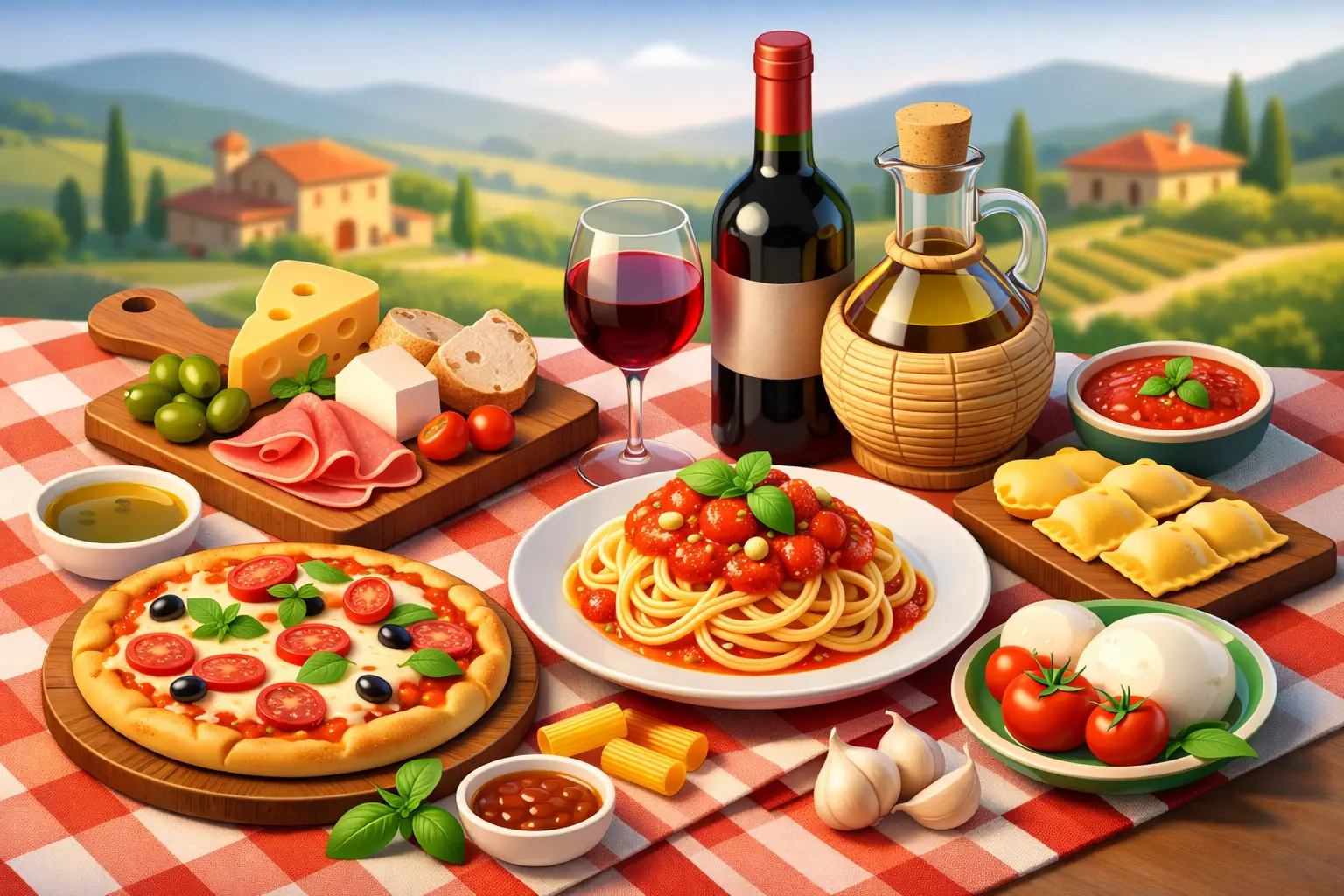
A bowl of pasta in Rome, a wood-fired pizza in Naples, a slow-cooked ragu in Bologna, a seafood plate on the Sicilian coast – they are all unmistakably Italian, yet they are not the same meal, style or story. That is the best place to start when asking what is traditional Italian cuisine. It is not one fixed menu. It is a way of cooking and sharing food that changes from region to region, season to season and table to table.
Traditional Italian cuisine is built on restraint, balance and respect for ingredients. The point is not to crowd a plate with too many flavours or cover everything in heavy sauce. It is to let great tomatoes taste like tomatoes, good olive oil do its job, and dough, cheese, herbs, seafood and slow-cooked meats each bring something clear to the dish. When it is done well, the food feels generous without being fussy.
What Is Traditional Italian Cuisine at Its Core?
At its core, traditional Italian cuisine is regional home cooking shaped by local produce, climate, history and habit. Italy was unified as a country relatively recently compared with its long culinary history, so many of its best-known dishes developed as local specialities long before anyone thought of them as part of one national cuisine.
That is why an Italian grandmother from Puglia may cook very differently from one in Piedmont. In the north, you will find more butter, rice, polenta and rich meat dishes. In the south, olive oil, tomatoes, durum wheat pasta, aubergines, seafood and chilli are more common. Along the coast, fish naturally plays a larger role. Inland, cured meats, cheeses and hearty sauces often take centre stage.
So when people ask what is traditional Italian cuisine, the most honest answer is that it is a collection of deeply local food traditions held together by a shared philosophy. Use what is fresh. Cook with care. Waste little. Feed people properly.
Simplicity Is Not the Same as Basic
One of the biggest misunderstandings about Italian food is that simple means easy or plain. In reality, simplicity demands confidence. If a pizza has only a handful of toppings, the dough matters more. If a pasta sauce uses just tomato, basil, olive oil and garlic, each ingredient has to earn its place.
This is why traditional methods still matter. Long-fermented dough develops flavour and texture you cannot rush. A proper soffritto cooked slowly at the start of a sauce builds sweetness and depth. Hand-shaped pasta catches sauce differently from factory-made shapes. Even a classic salad works better when the tomatoes are in season and the mozzarella is treated with a bit of respect.
Italian cooking often looks straightforward on the plate because the work has happened earlier – in sourcing, preparing, seasoning and timing. That is craftsmanship, not complication.
The Role of Regional Identity
If there is one thing that defines traditional Italian cuisine more than any single dish, it is regional identity. Italy’s food culture is proudly local. Recipes are often tied to a town, a family or a patch of countryside, and people care about those differences.
Take pasta alone. In Rome, you think of cacio e pepe, carbonara, amatriciana and gricia. In Bologna, rich meat sauces and fresh egg pasta are part of the local language. In Liguria, pesto belongs with trofie. In Sardinia, tiny shaped pastas and bottarga tell a different story again.
Pizza follows the same pattern. A traditional Neapolitan pizza is soft, blistered and cooked fast at high heat, with a light hand on toppings. Roman styles can be thinner or more structured. Sicilian pizzas bring another set of textures altogether. None of this is contradiction. It is the point.
That regional character is part of what makes Italian food so enduring. It has room for variation without losing its identity.
Ingredients Come First
Traditional Italian cooking is deeply ingredient-led. That sounds obvious, but it changes everything. Rather than forcing the same dishes year-round, the classic approach pays attention to what is available and at its best.
Tomatoes, basil, artichokes, zucchini flowers, porcini, citrus, broad beans, figs, seafood, cured pork, Parmigiano Reggiano, buffalo mozzarella, pecorino, olives and wine all have their place, but not every ingredient belongs in every dish or every season. Good cooking means knowing when to leave something out.
This is also why imported staples and good local produce can work so well together. Italian cuisine has always depended on quality ingredients, but it has also always been practical. If you are cooking in Australia, the most traditional mindset is not pretending you are somewhere else. It is using excellent ingredients available here, while respecting the methods and flavour balance that make the dish recognisably Italian.
Pasta, Pizza and More Than the Stereotypes
Many Australians meet Italian cuisine first through pizza and pasta, and fairly enough – they are classics for a reason. But traditional Italian food is wider than the usual takeaway shorthand.
Antipasti matter because they set the tone for a meal. A few slices of prosciutto, marinated vegetables, olives or burrata are not just starters. They invite people to settle in, pour a drink and share. Risotto, gnocchi, soups, seafood, braised meats, grilled vegetables and properly made desserts all belong in the conversation as well.
Even within pizza and pasta, the range is much broader than many people expect. Not every pizza is loaded, and not every pasta swims in cream. In fact, many of the most traditional dishes are surprisingly restrained. A margherita relies on dough, tomato, mozzarella and basil. Cacio e pepe is built on pasta, pecorino, black pepper and technique. When those foundations are right, nothing more is needed.
Why Technique Still Matters
Traditional cuisine is not just about old recipes. It is about method. A dish can use classic ingredients and still miss the mark if it is rushed or handled carelessly.
That is especially true with pizza. Dough that has been given time to rest develops better flavour, structure and digestibility. Cooking at properly high heat creates the blistered crust and light texture people associate with authentic wood-fired pizza. The same thinking applies to pasta sauces simmered until they round out, to risotto stirred with patience, and to desserts made with balance rather than excess sugar.
Technique is what turns familiar food into memorable food. It is also what makes traditional Italian dining feel satisfying without feeling heavy.
Traditional Italian Cuisine Is Also About Hospitality
Food is only part of the picture. Traditional Italian cuisine is tied to the experience of eating together. It is family-style in spirit, even when the plates are individual. Meals are designed to be shared, discussed and stretched out just enough to enjoy the company.
That is why Italian dining feels so at home in neighbourhood settings. A good local Italian restaurant should work for a family dinner, an easy date night, a catch-up with friends or a takeaway night when no one feels like cooking. The atmosphere matters because Italian food has always been social food.
Aperitivi before dinner, a glass of Chianti Classico or Sangiovese with a meal, a scoop of gelato or a proper tiramisu to finish – these details are not about formality. They are about rhythm and pleasure. The meal should feel relaxed, not staged.
What Traditional Italian Cuisine Is Not
It helps to say what it is not. Traditional Italian cuisine is not about piling on toppings, overloading sauces or masking ingredients with too much cheese and cream. It is not one-size-fits-all. It is not trend food chasing novelty for the sake of it.
That does not mean every modern variation is wrong. Food evolves, and restaurants need to suit the community around them. There is room for flexibility, especially in a local dining scene where families, regulars and takeaway customers all want something slightly different. But the strongest Italian cooking still keeps one foot firmly in tradition. The flavours should remain clear. The technique should remain honest. The meal should still feel grounded.
For locals around Elwood and the wider Bayside area, that balance often matters more than strict theatre. People want food that tastes genuinely Italian, but they also want a restaurant that feels welcoming on an ordinary weeknight. That is where authentic cooking really proves itself – not only on special occasions, but whenever people want a good meal that feels generous and real.
Why This Cuisine Endures
Traditional Italian cuisine has lasted because it understands something simple: people come back to food that is made with care and meant to be shared. It offers comfort without laziness and quality without unnecessary fuss.
The next time someone asks what is traditional Italian cuisine, the best answer may be this: it is regional, seasonal, deeply practical cooking that turns humble ingredients into memorable meals. And when it arrives hot from the oven or fresh from the pan, meant for the middle of the table rather than for show, it still does what the best food always does – brings people together.
Leave a Reply